Skip to content

Dr John Firth

Dr John Firth

About the author

About Dr John Firth

I’ve been a doctor for 45 years and am a medical consultant at Addenbrooke’s Hospital in Cambridge. My specialties are kidney and general medicine, so I look after many patients who are on kidney dialysis machines or have kidney transplants, and many who are brought into hospital because they’ve become acutely unwell with a wide range of medical problems. I was one of the hospital’s Deputy Medical Directors for 15 years, which means I know most of what there is to know about the tangles and troubles that patients and doctors get into, and often landed up having the difficult conversations to try and help when things had gone badly for one reason or another. Sometimes I got these conversations right and sometimes I didn’t.

Writing and editing

I’ve got lots of experience of writing and editing medical textbooks. I was Editor-in-Chief of Medical Masterclass for 20 years, published by the Royal College of Physicians to help doctors prepare for one of their main professional exams. I was an editor of editions four and five of the Oxford Textbook of Medicine, the standard medical reference work, and am now senior editor of the sixth edition. This was published (hardback) by Oxford University Press in 2020, is regularly updated online, and with over 600 multi-author chapters keeps me in contact with many doctors worldwide. I’ve also written a very few lighter pieces in medical journals and had a letter published in ‘The Times’ when I was cross about fatuous comparisons being made between airline and Emergency Department safety: no plane I’ve flown in has ever had to take off with more passengers than seats, or before the pilot was ready.

Why I wrote Kind & Sensible

Over the last ten years it’s become apparent to me that most of the hospital’s senior (older) consultants, also many of the better younger ones, worry about the way medicine is heading, most particularly the pressure to deliver more and more care of less and less obvious benefit because it’s increasingly difficult to do otherwise. In the course of such conversations two colleagues who I rate very highly said (independently) things along the lines of, ‘John, you’re absolutely right … you ought to write this down … it would make a good novel’. The result is Kind & Sensible, a story about an ‘old school’ doctor who is unable to adapt as times change and unwilling to go with the flow when he thinks this is heading in the wrong direction.

Medical textbooks

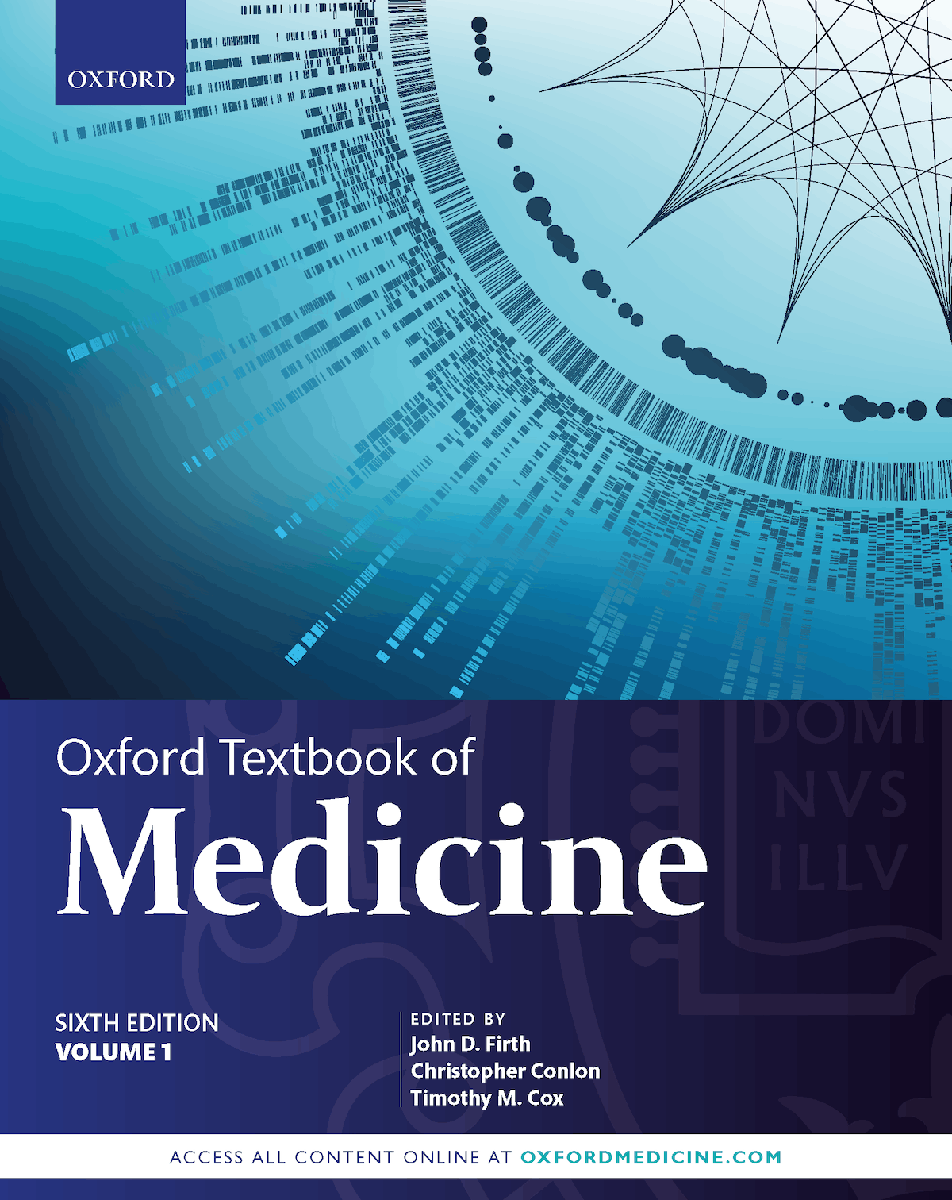
Oxford Textbook of Medicine, sixth edition, volume 1 — cover

Oxford Textbook of Medicine

I was an editor of editions four and five of the Oxford Textbook of Medicine, the standard medical reference work, and am now senior editor of the sixth edition. This was published (hardback) by Oxford University Press in 2020, is regularly updated online, and with over 600 multi-author chapters keeps me in contact with many doctors worldwide.

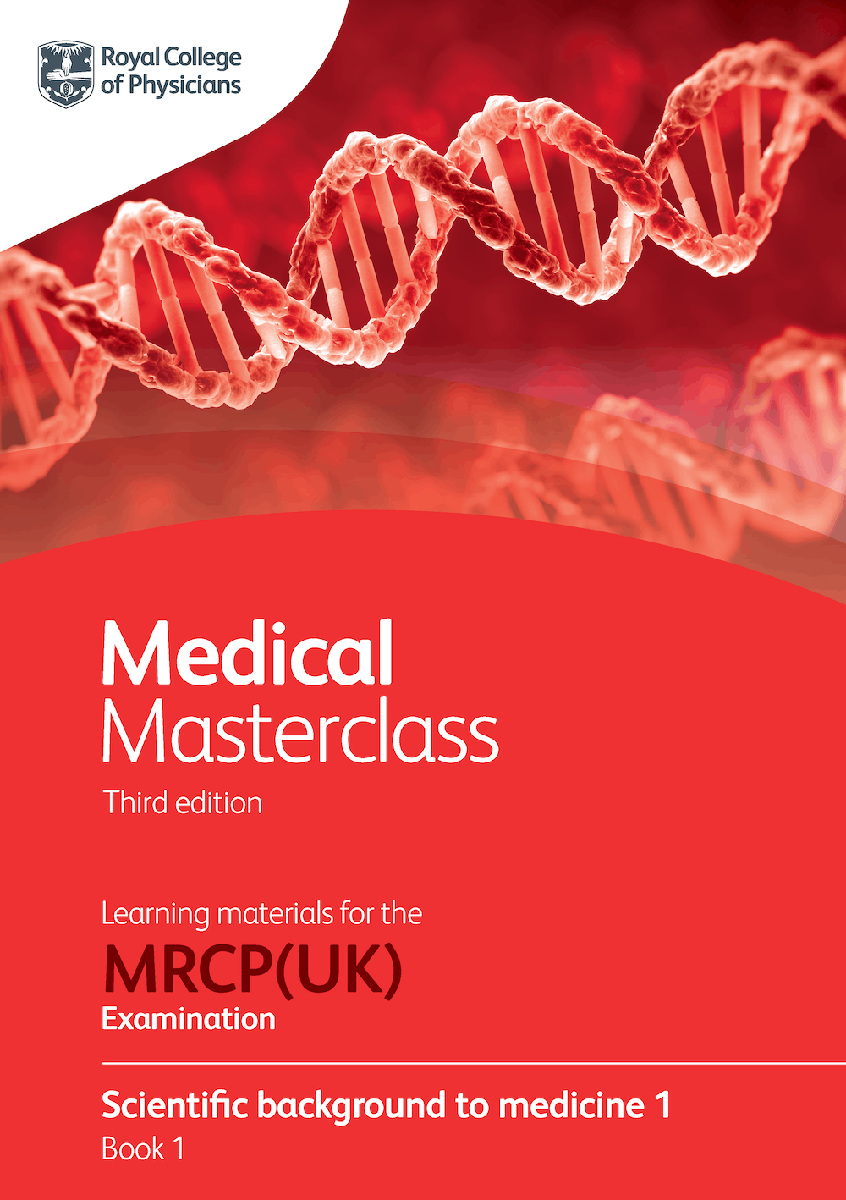
Medical Masterclass, third edition — cover

Medical Masterclass

I was Editor-in-Chief of Medical Masterclass for 20 years, published by the Royal College of Physicians to help doctors prepare for one of their main professional exams. It comprised 12 books and a website, went through three editions and several reprints, and is no longer in print.

More about me

Things I’ve done since working as a physician

I enjoy seeing patients on the wards and in clinics, which I continue to do, but like Christmas pudding it’s possible to have too much of a good thing. I like variety, and a doctor whose only practice is seeing patients doesn’t have much influence on the next generations of doctors or how their service and hospital work. Easy to moan about ‘The Bloody Trust’.

Alongside doing an average of 25-30 hours a week of ‘being a doctor’ for the last 30 years, I’ve had a variety of roles in education and training (Sub-Dean for the Cambridge Clinical School; Chair of a National Postgraduate Specialist Training Committee) and hospital management (Clinical Lead for the Medical Admissions’ Unit; Clinical Lead for Renal Services; Deputy Medical Director).

I’ve recently stopped doing any formal roles in medical education or training and hospital management but have taken on being a Syndic of Cambridge University Press and a Member of Council of the Medical Defence Union.

Medical research

Describing the management of a patient having a heart attack, the handbook of medical emergencies I carried in my pocket as a houseman in 1981 states – and I’m not making this up - that ‘no specific therapy is required’. It would have been better if it had said ‘no specific therapy is available’. By a meandering path of incremental improvements, the standard of care in many cases now involves having a balloon inflated in the blocked coronary artery and a stent put in to keep it open, which – you probably won’t be surprised to learn – stops many people from dying. Nothing would have changed without medical research.

Success is not guaranteed. Patients can develop enormous bodily swelling in a kidney condition called the nephrotic syndrome. My first foray into medical research as a doctor in training involved trying to find out why nephrotic kidneys can’t get rid of fluid. I wrote a few scientific papers but didn’t discover anything of note.

A couple of years later I had another go. New experimental methods meant that molecular biology was allowing previously unapproachable problems to be tackled. For a few years I hitched my wagon to a very bright and driven fellow nephrologist who decided to try to work out how the kidneys know when to produce a hormone called epo (erythropoietin) that controls your blood count and stops you becoming anaemic, which happens to patients with kidney failure. It turned out that there isn’t anything special in the kidney: the mechanism is present in all cells, and it’s wonderful to now be able to prescribe drugs which interfere with it to treat anaemia in kidney patients. Peter (now Prof Sir Peter Ratcliffe) got a Nobel Prize in 2019. I learned a lot about how to approach biomedical problems from working with him.
Get your copy of Kind & Sensible

Available now in paperback and as an eBook from all good retailers.

Getting in touch

Please feel free to contact me using the form provided. I try to reply to all messages within a few days.

I’d be particularly interested to hear from you if you are organising and want a speaker at

  • A book club
  • A literary festival
  • A medical meeting
  • A medical dinner